
Think about what’s driving you to quit, such as rebuilding damaged relationships, keeping a job, or getting healthy again. Certain people, places, and situations can drive you back into drinking or using drugs again. This helps you safely manage thoughts about using substances again. Discussions often revolve around dealing with everyday situations without turning to substances. If the temptation to use again becomes too overwhelming, don’t hesitate to seek professional help.
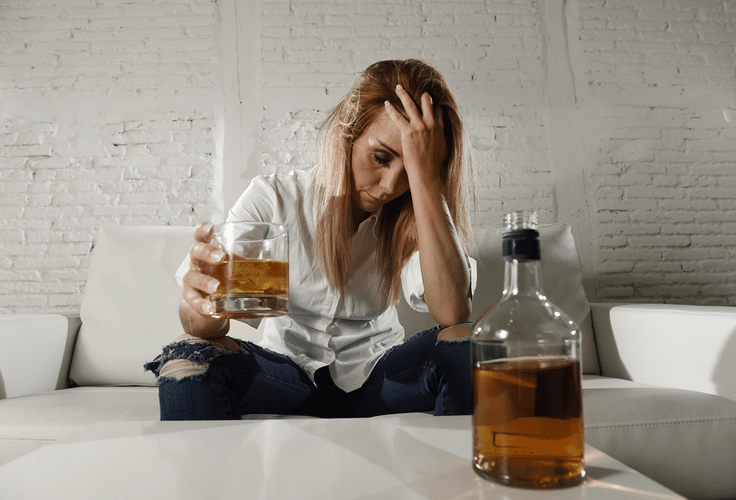
Perhaps the most important thing to know about cravings is that they do not last forever. It is also necessary to know that they are not a sign of failure; they are inevitable. But their lifespan can be measured in minutes—10 or 15—and that enables people to summon ways to resist them or ride them out.
Financial support and sponsorship
A basic fear of recovery is that the individual is not capable of recovery. The belief is that recovery requires some special strength or willpower that the individual does not possess. Past relapses are taken as proof that the individual does not have what it takes to recover [9]. Cognitive therapy http://www.aquafanat.com.ua/foto-album-tattoo-aquarium-fish.html helps clients see that recovery is based on coping skills and not willpower. Finally, physical relapse is when an individual starts using again. Some researchers divide physical relapse into a “lapse” (the initial drink or drug use) and a “relapse” (a return to uncontrolled using) [8].
As their tension builds, they start to think about using just to escape. Another goal of therapy at this stage is to help clients identify their denial. I find it helpful to encourage clients to compare their current behavior to behavior during past relapses and see if their self-care is worsening or improving.
Relapse Prevention: What It Is and Why You Need It
The RP model proposes that at the cessation of a habit, a client feels self-efficacious with regard to the unwanted behaviour and that this perception of self-efficacy stems from learned and practiced skills3. In a prospective study among both men and women being treated for alcohol dependence using the Situational Confidence Questionnaire, higher self-efficacy scores were correlated to a longer interval for relapse to alcohol use8. The relationship between self-efficacy and relapse is possibly bidirectional, meaning that individuals who are more successful report greater self-efficacy and individuals who have lapsed report lower self-efficacy4. Chronic stressors may also overlap between self-efficacy and other areas of intrapersonal determinants, like emotional states, by presenting more adaptational strain on the treatment-seeking client4. Equally important is to learn to identify situations that carry high risk of relapse and to develop very specific strategies for dealing with each of them.
- They occur when the person has a window in which they feel they will not get caught.
- Marlatt, based on clinical data, describes categories of relapse determinants which help in developing a detailed taxonomy of high-risk situations.
- Your doctor or an addiction treatment center has treatments to control withdrawal symptoms.
- During this stage, a person may not be thinking about using drugs or alcohol, but their emotions may be placing them in jeopardy of relapse.
- They’re based on building your knowledge and skills to combat substance use.
As a result, those recovering from addiction can be harsh inner critics of themselves and believe they do not deserve to be healthy or happy. Mutual support groups are usually structured so that each member has at least one experienced person to call on in an emergency, http://mobyblog.ru/jenshiny-v-sovremennoi-rok-myzyke someone who has also undergone a relapse and knows exactly how to help. The longer someone neglects self-care, the more that inner tension builds to the point of discomfort and discontent. Cognitive resistance weakens and a source of escape takes on appeal.
Relapse as Part of Recovery
Those who drink the most tend to have higher expectations regarding the positive effects of alcohol9. In high-risk situations, the person expects alcohol to help him or her cope with negative emotions or conflict (i.e. when drinking serves http://www.medotvet.ru/dict/gepatit/Alkigep.php as “self-medication”). Expectancies are the result of both direct and indirect (e.g. perception of the drug from peers and media) experiences3. Engaging in self-care may sound like an indulgence, but it is crucial to recovery.
- Eventually, Anthony found himself homeless and broken spiritually, emotionally, and physically.
- Alan Marlatt, PhD, developed an approach that uses mental, behavioral, and lifestyle choices to prevent relapse.
- Remember the embarrassing things you may have done or the people you may have hurt.
- Another is to carefully plan days so that they are filled with healthy, absorbing activities that give little time for rumination to run wild.
- Also, an initial lapse can lead to an increased obsession with further use.
- Here are some tips for safeguarding your sobriety with wise planning.
But that is the final and most difficult stage to stop, which is why people relapse. If an individual remains in mental relapse long enough without the necessary coping skills, clinical experience has shown they are more likely to turn to drugs or alcohol just to escape their turmoil. Preventing relapse isn’t as easy as saying no to opportunities to use again. Physical relapse is only preventable if you avoid high-risk situations. You must also develop healthy coping skills and an effective relapse prevention plan. In collaboration with the individual, document their potential triggers, early warning signs and coping skills on a relapse prevention plan.
There are other self-help groups, including Women for Sobriety, Secular Organizations for Sobriety, Smart Recovery, and Caduceus groups for health professionals. It has been shown that the way to get the most out of 12-step groups is to attend meetings regularly, have a sponsor, read 12-step materials, and have a goal of abstinence [24,25]. They think it is almost embarrassing to talk about the basics of recovery.
- Positive coping skills include attending support groups, exercising, journaling, and eating healthy foods to minimize intense cravings.
- If an individual remains in mental relapse long enough without the necessary coping skills, clinical experience has shown they are more likely to turn to drugs or alcohol just to escape their turmoil.
- This type of peer pressure is dangerous to someone’s recovery and can lead to poor decision-making.
- The main reason lies in why you started to drink or use drugs in the first place.
- We smoke a cigarette, avoid support group meeting, or miss our regular exercise appointment.
- Educating clients in these few rules can help them focus on what is important.